Exploring the Function of an Arborist: Crucial Services for Tree Health and Care
An arborist is vital for maintaining tree well-being and durability. These experts utilize specialized expertise to evaluate trees and formulate specific care strategies. This includes pruning, detecting diseases, and controlling soil conditions. These specialists play a major role in promoting sustainable development. Their expertise not only boosts the visual appeal of landscapes but also supports ecological balance. Grasping their essential functions can show the vital impact they have on urban and rural environments equally.
The Value of Arborists in Tree Management
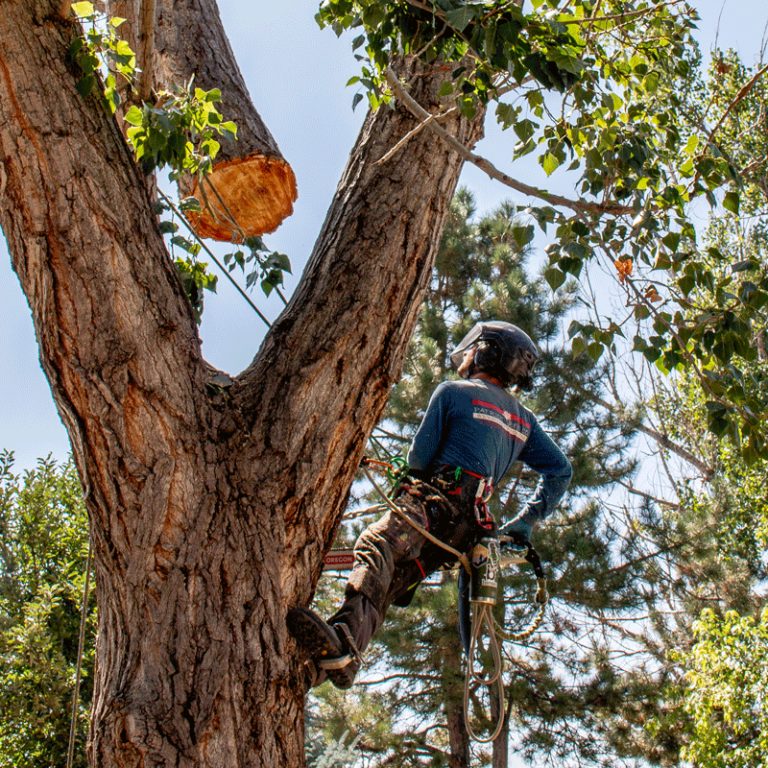
Although many homeowners may overlook the role of arborists, their expertise is vital for preserving tree vitality and long life. Arborists are skilled practitioners who are dedicated to the care and management of trees. They possess in-depth knowledge of tree life science, diseases, and environmental elements affecting growth. By assessing tree health, arborists can determine potential issues, ranging from pest infestations to nutrient shortages.
Their offerings encompass a number of important tasks, including soil management, tree assessments, and comprehensive maintenance plans. Arborists also play a major role in making sure trees are placed in suitable locations, factoring in factors such as sunlight, drainage, and space for development. Their guidance assists homeowners to make informed decisions that promote sustainable tree development. By hiring arborist services, homeowners not only boost the visual appeal of their landscapes but also support the ecological well-being of their environment, ensuring trees flourish for a long time.
Fundamental Tree Pruning Methods
Successful tree pruning techniques are essential for preserving healthy and vibrant trees. Arborists utilize various methods to strengthen tree structure, encourage growth, and remove dead or diseased branches. One essential technique is crown thinning, which involves carefully removing branches to increase light access and air flow. One other key practice is crown lifting, where the lowest boughs are removed to increase ground clearance and viewing areas. Furthermore, the practice of reducing the crown decreases the overall mass of a tree’s canopy, lessening pressure while keeping its natural silhouette.
Timing is also essential; pruning is typically best done during its resting phase in the late winter or early spring months. This similar resource reduces the loss of sap and promotes robust development. Arborists advise the use of sanitized, keen equipment to ensure accurate cuts, which assists in avoiding damage to the tree. Ultimately, these vital techniques don't just boost visual attractiveness but also substantially aid the tree's general well-being and longevity.
Planting and Transplanting Trees
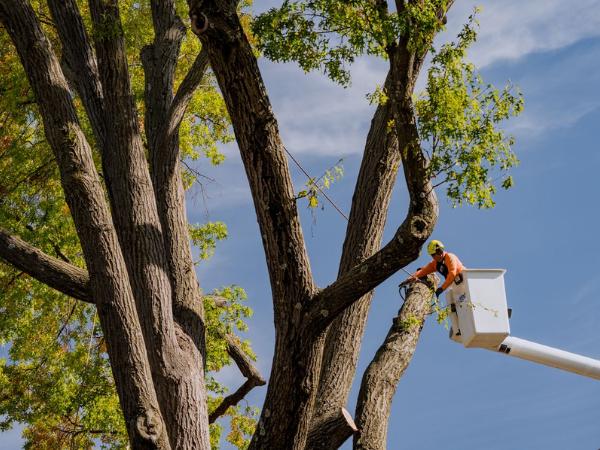
When looking at the installation of new trees, proper planting and transplanting techniques are vital for guaranteeing their effective establishment and fitting into the surrounding area. Arborists stress the necessity of choosing the correct type of tree for the location's environment, as well as making sure the planting pit is prepared well. The hole must be sufficiently broad to allow space for the roots, enabling adequate expansion and oxygen exchange
During transplantation, care must be taken to limit damage to the root system, which may impede the tree's capacity to establish itself in the new location. Arborists advise moving trees during the winter rest period to lower the impact on the tree
(Florence Arborist)After planting or relocation, adequate irrigation and mulching are essential to support the tree's successful rooting. Arborists also advise monitoring the tree’s growth and modifying maintenance routines as needed to secure a smooth integration into the surrounding environment, ultimately contributing to a healthy setting
Spotting Tree Maladies and Bugs
What is the best way to recognize the indicators of tree maladies and infestations? Arborists rely on an expert grasp of dendrology and surrounding influences to diagnose these issues. Symptoms such as foliage discoloration, stunted growth, or early defoliation frequently signal hidden issues. Furthermore, the presence of unusual growths, such as cankers or galls, might suggest an illness or pest problems.
Arborists also check the outer layer for wounds, entry points, or sawdust-like material, which might indicate bugs are at work. Studying the soil and surrounding environment helps identify factors causing stress, like insufficient drainage or nutrient deficits. Understanding seasonal cycles is essential, as certain pests show up at certain periods.
Tree Health Assessments and Upkeep Strategies
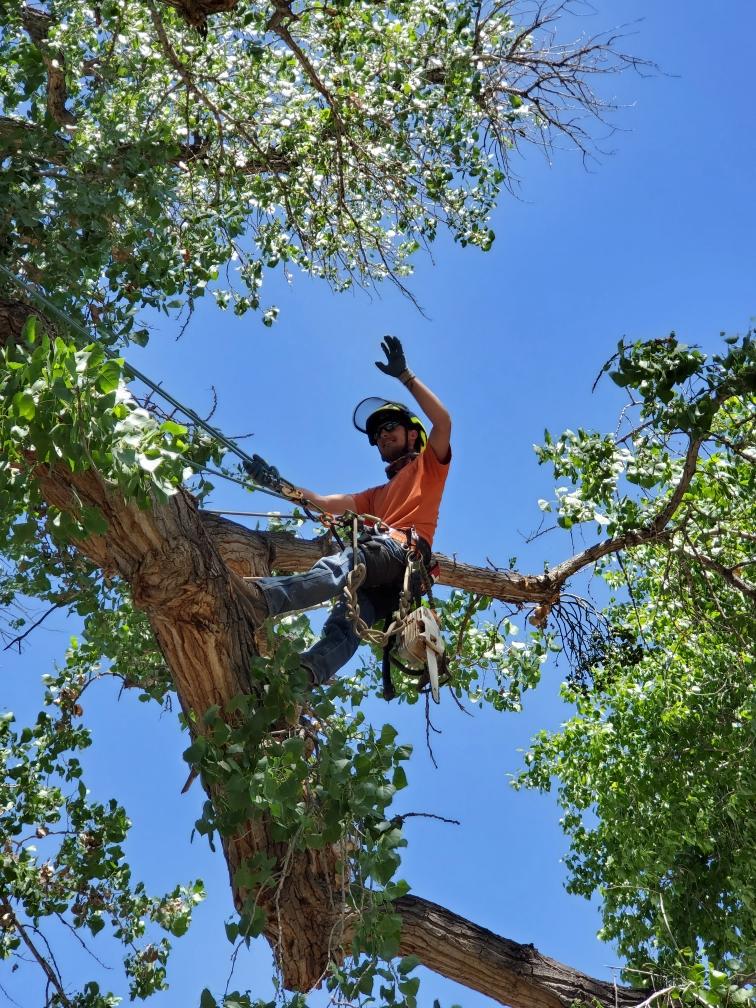
Which methods can be utilized to preserve perfect tree health? Arborists often begin with thorough tree health assessments, which include a close inspection of the tree's overall state, including its structure, canopy, and root network. The inspection aids in recognizing potential issues such as illnesses, insects, or environmental pressures. Once the inspection is complete, a tailored maintenance plan is formulated, tackling unique necessities
Standard parts of these strategies involve appropriate irrigation timetables, feeding strategies, and cutting methods to optimize growth and durability - Florence Arborist. In addition, experts often advise using mulch and handling the soil to increase nutrient access and keep the soil damp. Routine checking is vital, enabling changes to the maintenance plan as the situation develops. By putting these techniques into practice, tree health and survival can be substantially bettered, making sure they flourish in their environment while contributing to the entire ecosystem
The Function of Tree Specialists in Urban Forestry
Arborists are vital in urban forestry by overseeing and preserving the condition of trees within city landscapes. The skills they possess greatly enhance to the ecological stability and beauty of urban areas. Tree specialists participate in planting trees, ensuring appropriate species selection based on local conditions and city development requirements. Arborists carry out frequent health checks to identify diseases, pests, and structural issues, carrying out focused interventions to boost the well-being of the trees.
Furthermore, tree specialists create and implement maintenance plans that include trimming, feeding, and watering, optimizing tree growth and longevity. Arborists also inform residents on why trees matter and proper care practices. Working together with municipal planners and conservation agencies, arborists help achieve sustainable metropolitan development, encouraging varied life forms and bettering the air we breathe. Their work is crucial in developing green environments that serve both the community and the ecosystem, resulting in stronger urban habitats.
Commonly Asked Questions
How Do I Search For a Professional Tree Expert Locally?
In order to locate a certified arborist in your vicinity, one can search online listings, check with local plant shops, or reach out to tree care associations. You must always confirm credentials and read reviews to guarantee excellent results.
What Credentials Should I Seek in an Arborist?
When looking for an arborist, it is important to find certifications like ISA or ASCA, sufficient expertise, insurance coverage, and a good standing based on feedback. This expertise confirm professionalism and skill in tree care and health.
Is There a Best Time for Tree Pruning?
Pruning trees works best during the end of winter or early spring when trees are resting. Nevertheless, some species are better suited for summer pruning. Timing depends on the tree type and individual growing habits to promote health and structure.
What is the Price Range for Arborist Work Typically Cost?
Tree care services generally range between $300 and $1,500, based on variables like tree size, location, and the scope of the job - Florence Arborist. Costs can fluctuate significantly based on regional demand and service provider experience
Am I Able to Do Tree Work Without Professional Help?
Yes, individuals can perform basic tree care without professional help, like watering and mulching. However, for more complex tasks, like pruning or identifying illnesses, seeking advice from a professional arborist is best to guarantee tree health.